(440) 352-3434

Blog
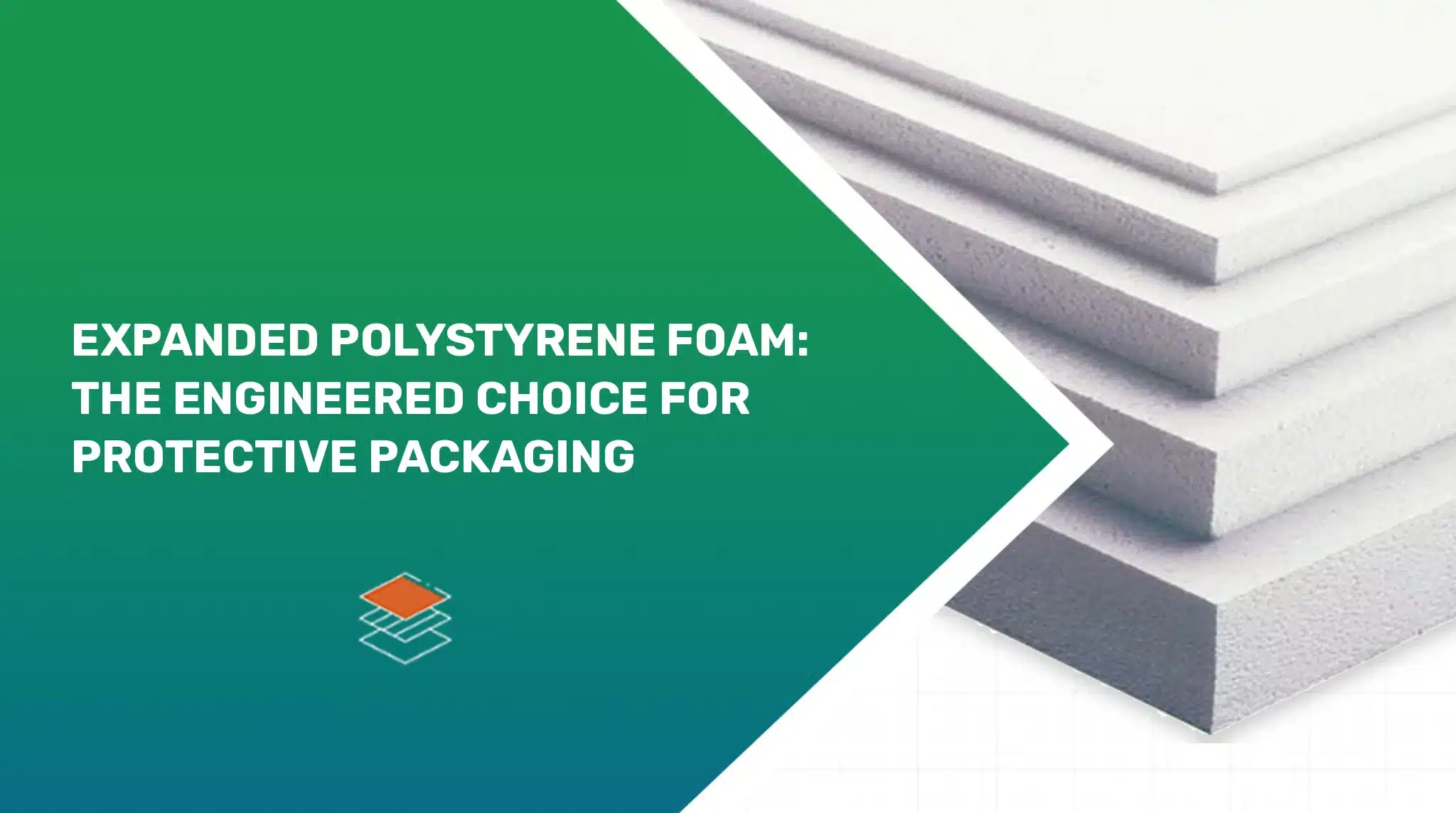
Expanded Polystyrene Foam: The Engineered Choice for Protective Packaging
KEY TAKEAWAYS
- Right Material for the Job: Every packaging foam has distinct strengths. While specialty bead foams like EPP excel in heavy-duty, multi-trip returnable dunnage, expanded polystyrene (EPS) is often the most cost-effective and dependable choice for high-volume shipping, appliances, electronics, and single-direction distribution.
- Rigid Blocking Strength: EPS provides firm, unyielding support that prevents heavy or bulky equipment from shifting inside shipping containers, eliminating product migration and abrasion during transit.
- Engineered Shock Dissipation: Under dynamic drop impact, EPS acts like a crumple zone, absorbing and spreading kinetic shock across its closed-cell bead structure so high G-forces do not transfer into fragile products.
- High Thermal Insulation: Because it is composed of 98% air trapped within closed cells, EPS offers exceptional thermal resistance (around R-4 per inch), making it an industry staple for temperature-sensitive food, pharmaceutical, and cold-chain shipments.
- 100% Recyclable: EPS is fully recyclable (resin code #6). Modern foam densifiers compress EPS scrap up to 50:1, transforming bulky packaging into dense blocks for remanufacturing into durable consumer products
Balancing Protection and Cost in Industrial Packaging
In manufacturing operations and distribution, protective packaging is far more than just box filler. Whether shipping commercial HVAC units, automotive tanks, sensitive diagnostic instruments, or consumer electronics, packaging serves as the frontline defense against drop shocks, vibrations, and shifting loads during transit.
At the same time, packaging engineers and procurement teams have to manage real-world constraints: material availability, freight weight, lead times, and unit costs. With carriers calculating shipping rates based on dimensional weight, bulky or heavy packaging can quickly drive up logistics expenses.
Finding the right packaging material is about matching the foam’s physical properties to the specific shipping scenario. While resilient foams like expanded polypropylene (EPP) and cross-linked polyethylene (XLPE) have clear advantages in multi-trip returnable dunnage and heavy-duty case inserts, expanded polystyrene (EPS) foam remains one of the most reliable, lightweight, and economical solutions for outbound shipping, appliance packaging, and temperature-controlled logistics.
How EPS Foam Works: Strength, Cushioning, and Lightweight Performance
Expanded polystyrene is a rigid, closed-cell foam manufactured by expanding spherical polystyrene beads with steam and fusing them into a solid block. The finished material is roughly 98% air by volume, with the remaining 2% consisting of a lightweight plastic matrix. This cellular structure gives EPS several practical advantages in protective packaging:
Firm Blocking and Bracing
When shipping heavy, irregularly shaped, or dense goods, the biggest risk is often product migration. If a component shifts inside the box, it can break through outer cartons or collide with other items. Because EPS is firm and rigid, it provides solid blocking and bracing support. It holds parts firmly in place throughout transit, preventing equipment from shifting or bouncing inside the container.
Crumple Zone Energy Absorption
Under sudden, high-energy impact, EPS absorbs shock in a manner similar to an automobile crumple zone. The closed-cell bead structure compresses in a controlled way under load. As the beads compress, they absorb the kinetic energy of the drop and spread it across the foam surface, keeping peak G-forces from transferring directly into the protected product.
Lightweight Freight Efficiency
Because EPS is primarily air, it provides high compressive strength at very low densities, typically between 1.0 and 2.5 pounds per cubic foot (pcf). This significantly reduces the tare weight of shipping containers compared to heavy corrugated assemblies or dense rubber materials, helping companies keep shipping costs down across large distribution volumes.
Matching the Right Foam to Your Application
Different packaging applications call for different foam chemistries. Understanding the core strengths of each material helps packaging teams select the best substrate for their budget and performance needs:
| Material Type | Key Strengths | Typical Applications |
|---|---|---|
| Expanded Polystyrene (EPS) | High compressive rigidity, lightweight (98% air), outstanding thermal insulation, economical, readily available from domestic suppliers. | Outbound commercial shipping, appliance & electronics blocking, corner protectors, temperature-sensitive cold chain box liners. |
| Expanded Polypropylene (EPP) | Resilient multi-impact recovery, shape memory after repeated heavy impacts, high resistance to automotive oils and fuels. | Closed-loop returnable dunnage trays, automotive assembly line part handling, multi-year reusable logistics containers. |
| Cross-Linked Polyethylene (XLPE) | Smooth, non-abrasive surface, high tear strength, zero particulate shedding, excellent chemical resistance. | Class-A surface protection, custom military case inserts, medical device trays, aerospace flight-line tool kits. |
| Flexible Polyurethane (PU) | Soft, conforming open-cell structure, excellent high-frequency vibration damping, gentle surface contact. | Low-mass electronics cushioning, circuit boards, optical lenses, diagnostic instruments, protective lid foam. |
For outbound one-way shipping, high-volume consumer goods, and industrial equipment distribution, EPS offers the exact rigidity, protection, and economy needed without the higher raw material costs or sourcing delays of specialized bead foams.
Thermal Insulation for Temperature-Sensitive Shipments
In addition to impact protection, expanded polystyrene is one of the most effective insulating materials available for temperature-controlled shipping. Because air is trapped inside millions of sealed cells, heat cannot easily pass through the material by conduction or convection:
- Dependable R-Value: Standard packaging EPS delivers an insulating value of approximately R-3.85 to R-4.2 per inch of thickness, maintaining thermal stability in both hot summer freight and freezing winter shipping.
- Cold-Chain Reliability: EPS box liners and custom-molded insulated containers are widely used for shipping pharmaceuticals, medical test kits, vaccines, and perishable food products alongside gel packs or dry ice.
- Moisture Resistance: Because EPS is a closed-cell material, it does not absorb moisture, sag, or weaken when exposed to humidity or melting ice packs, ensuring containers maintain their structural strength throughout transit.
Recyclability and Environmental Facts About EPS
Expanded polystyrene is often misunderstood when it comes to sustainability. In reality, EPS has an efficient environmental profile when managed responsibly:
100% Recyclable Polymer
EPS is made entirely from polystyrene, identified by plastic recycling code #6. It contains no CFCs or HCFCs and can be recycled repeatedly into new products.
Modern Foam Densification
Because EPS is 98% air, recycling centers and manufacturing facilities use mechanical compactors and thermal densifiers to compress scrap foam at ratios up to 50:1. This turns lightweight foam into dense blocks that ship efficiently to recyclers, who reprocess the material into architectural moldings, picture frames, and construction products.
Resource Efficiency
Using 98% air means EPS requires significantly less raw plastic polymer by volume to protect an equivalent payload than solid plastics or heavy corrugate, keeping material consumption low.
Work with American Foam Products on Your Next Packaging Project
Selecting the right packaging foam comes down to understanding your product’s weight, fragility, shipping route, and budget. When your application calls for reliable blocking strength, lightweight freight efficiency, and excellent thermal performance, expanded polystyrene foam delivers a proven, cost-effective solution.
At American Foam Products, our team works directly with your drawings and product specs to recommend the ideal foam materials and fabrication methods for your project. From rapid prototypes to full production runs, we provide custom foam solutions built to protect your products.
Ready to discuss your packaging requirements? Contact us today to request a quote or speak with our packaging specialists.
Recent Posts
- Expanded Polystyrene Foam: The Engineered Choice for Protective Packaging
- Custom Foam Inserts for SKB Cases
- Industrial Foam Fabrication and B2B Procurement Engineering: Technical Processes, Material Dynamics, and Unit Cost Optimization
- Pre-Holiday Supply Chain Optimization: Protecting Margins and Reducing Returns with Custom Inserts
- Navigating Standards for Fire Retardant Foam Compliance