(440) 352-3434
Blog
The Essential Guide to Polyethylene
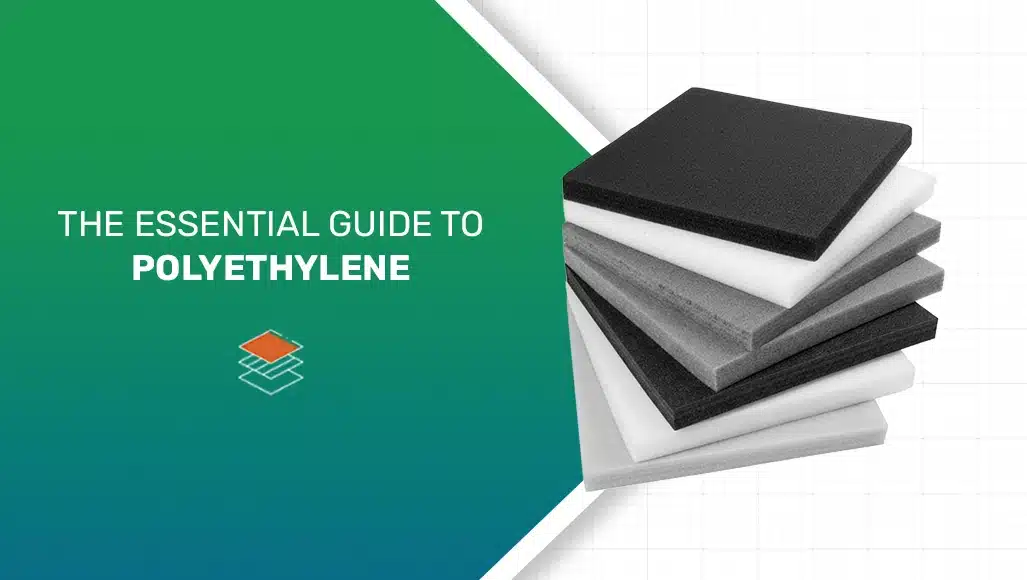
For over 60 years, Polyethylene has been a high-performance, non-crosslinked foam known for being incredibly tough. While the packaging landscape continues to evolve, the primary reason to choose Polyethylene remains its dependability and technical performance in the field.
Technical Superiority: The Polyethylene Advantage
Polyethylene is designed specifically for the rigorous mechanical requirements of high-value asset protection. Its unique structural characteristics provide several key advantages:
- Closed-Cell Architecture: Each cell is a self-contained, air-filled unit that prevents the ingress of water, moisture, and chemical contaminants.
- Predictable Shock Absorption: The pneumatic effect of the air trapped within these millions of microscopic cells provides consistent deceleration to protect payloads during drops or transit vibrations.
- High Resilience and Memory: Polyethylene’s flexible cell walls allow it to return to its original shape and thickness shortly after a load is removed.
- Minimal Compressive Creep: Polyethylene demonstrates excellent dimensional stability, typically thinning less than 10% under continuous weight for over 1,000 hours, ensuring long-term protection during sea freight or storage.
Responsible Sourcing: The Value of Recycled Content
For procurement managers today, selecting the right material is about more than just cushioning; it is about choosing a product that fits into a responsible, efficient supply chain. Because Polyethylene is a manifestation of Low-Density Polyethylene (LDPE), it is 100% recyclable (Resin Identification Code #4).
High-Performance, High Recycled Content
By choosing recycled foam variants like Polyethylene, organizations can meet internal sustainability goals without sacrificing the mechanical strength required for industrial use.
- Reduced Plastic Use: Polyethylene is manufactured using a minimum of 65% recycled resin, significantly lowering the dependency on new fossil fuel feedstocks.
- Lower Environmental Footprint: Technical studies show that polyethylene foam often has a much lower environmental impact regarding water consumption and energy demand compared to traditional paper-based alternatives.
- Supporting the Circular Economy: Using materials that are part of a closed-loop system ensures that high-quality resin stays in the manufacturing cycle rather than ending up in a landfill.
Long-Term Operational Efficiency
Beyond the material itself, Polyethylene’s durability supports returnable material handling systems. Because the foam is resilient enough to be reused for months or even years, you generate far less total waste per product produced, leading to a cleaner, more efficient supply chain.
Engineering for Performance: Density and Grade
Polyethylene is engineered in a wide spectrum of densities to cater to specific industrial requirements.
- Sensitive Components: Lower-density grades offer a softer cushioning profile essential for delicate electronics or medical instruments.
- Heavy-Duty Support: High-density grades provide superior compressive strength for securing heavy military hardware and automotive components.
- Static Protection: Anti-static grades (typically colored pink) are available to protect microchips and sensors from electrostatic discharge (ESD).
The American Foam Products Advantage
At American Foam Products, we specialize in transforming high-performance materials like Polyethylene into precise, mission-critical protection. Our facility is equipped with advanced fabrication technologies to ensure your custom inserts meet the exact tolerances of your equipment.
Ready to secure your assets?
Contact us today to discuss a custom-engineered Polyethylene solution that balances elite performance with logistical efficiency.